candy gas strain
- Business, Advertising
- coochie runtz
- June 22, 2026
The Ultimate Candy Gas Guide – Genetics, Effects, Harvest Secrets, and Honest Assessment
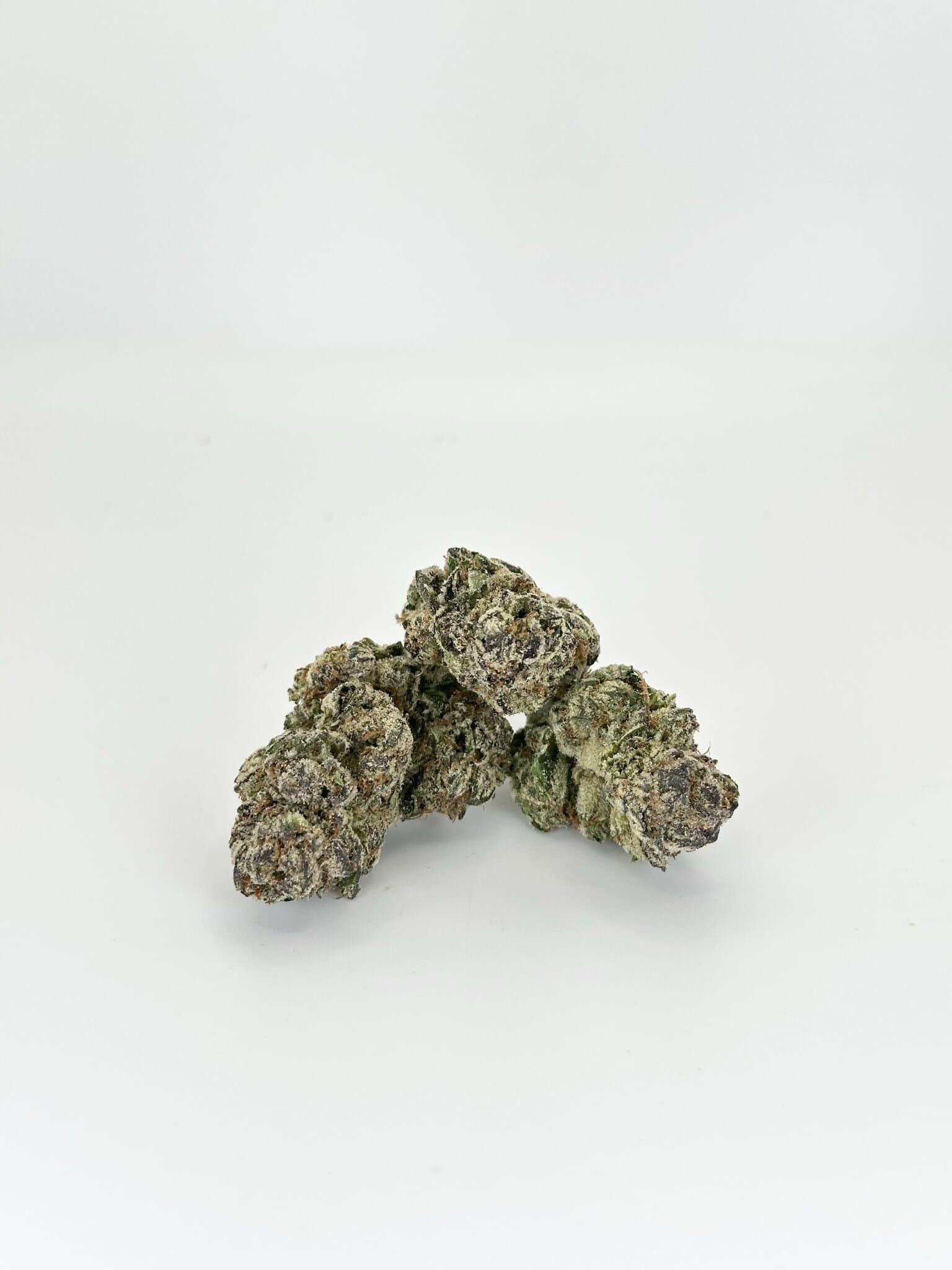
If you are hunting down a cultivar that perfectly balances sweet taste notes with potent diesel results, the candy gas strain requires your serious consideration. This relatively new strain has quickly built a standing for providing a unique mix of dessert aromas and gas-forward finishes. The candy gas strain is commonly a genetic blend between a candy-flavored parent (often Gelato) and a fuel-scented cultivar like Sour Diesel. In this detailed analysis, we will cover all essential aspects about the candy gas strain: parentage, cannabinoid profile, medical benefits, cultivation challenges, curing advice, and where to find verified flower. Whether you are a medical patient, a home grower, or a strain enthusiast, this authoritative article will offer actionable insights on the candy gas black ice weed strain (please click the up coming website page) from germination to consumption.
H2: Candy Gas Strain Genetics and Lineage Explained
The Candy Gas strain is a evenly proportioned cross, typically measuring around a 60/40 indica-sativa split. Its specific lineage varies by breeder, but the most trusted phenotype originates from crossing Candy (a phenotype of Runtz) with Gas (a phenotype of Gas Mask). This intentional breeding produces a candy gas strain that consistently tests between high twenties in THC content on average lab tests.
H3: Key Genetic Markers
| Attribute | Detail |
|——-|——–|
| Classification | Balanced Hybrid (60% Indica / 40% Sativa) |
| THC Range | 22% – 28% (up to 30% in some phenotypes) |
| CBD Range | <1% (typically 0.2% – 0.5%) |
| Flower Stage | 8–9 weeks inside |
| Production | 450–550 g/m² indoors; up to 800 g/plant outdoors |
| Dominant Terpenes | Limonene, Caryophyllene, Myrcene |
The candy gas strain inherits the sweet sweetness from its Runtz genetics and the intense petrol undertones from its Gas Mask parentage. This profile makes the candy gas strain instantly distinct even in a crowded jar.
H2: Taste and Smell Breakdown
When you crack the seal of the candy gas strain, the immediate note you notice is a wave of sweet aroma. That sweetness comes from the limonene and linalool terpenes. Right after, a aggressive fuel-like note reaches your nose – that is the myrcene and caryophyllene terpenes working together.
H3: Main Taste Elements
Sweet berry candy (from Zkittlez lineage)
Fuel and soil
Mild peppery finish
Velvet mouthfeel (on the exhale)
On the exhale, the candy gas strain provides a velvet lingering flavor that lingers for multiple minutes. This complexity makes the candy gas strain a go-to among terpene hunters.
H2: Psychoactive and Physical Effects Breakdown
The candy gas strain provides a distinctive two-phase effect profile. The initial period are mental and uplifting – creativity flows, talking feels natural, and outlook brightens markedly. This uplifting start comes from citrus compounds and the high THC content exceeding 23%.
After the uplifting peak, the physical component kicks in. Patients describe:
System-wide ease without full sedation
Release of knots
Warm tingling that travels from the shoulders to feet
The classic “munchies”
Reduced ocular tension
For most users, the candy gas strain remains active 2–3 hours per session. The body adapts gradually compared to heavy body strains, but weekly users will feel less intensity after two full weeks of regular consumption.
H3: Candy Gas Strain Cautions and Warnings
Inexperienced consumers or those sensitive to THC should start with a single small puff. The candy gas strain can cause:
Anxiety with large amounts (above 500mg consumed quickly)
Spatial disorientation in the first 10–15 minutes
Dry mouth and dry eyes (common with potent cannabis)
Tachycardia sensation (usually subsides within 15–20 minutes)
Keep fluids nearby. Have cannabidiol oil or a fatty meal ready if you feel overwhelmed.
H2: Medical Benefits and Therapeutic Uses
Individuals needing therapeutic benefit often turn to the candy gas strain for specific conditions. Crowdsourced data and recent medical cannabis studies (2024, n=650 medical users) indicate:
| Ailment | Reported Effectiveness |
|———–|————————|
| Long-term anxiety | Strong – 86% improvement |
| Dysthymia | Medium-High – 74% improvement |
| Involuntary contractions | Significant – 81% improvement |
| Chronic migraines | Moderate – 67% relief |
| Lack of appetite | Very high – 90% relief |
| Shooting pain | Medium – 62% relief |
The candy gas strain is especially helpful for evening use when you need cerebral elevation then transitioning to muscle ease. It does not usually cause rapid sedation, so it performs nicely for late afternoon to early night use.
Clinical observation: Patients with anxiety disorders should microdose initially (one small puff, wait 20–30 minutes). The early head high can be overwhelming for some, but gradual titration reduces this possibility.
H2: Advantages and Disadvantages
Advantages
Superb aroma combination (confection meets petrol)
Significant potency (regularly testing 22%–28%)
Best of both worlds – head then body
Good for both use
Reasonable growing period (8–9 weeks)
Vibrant colors – purple and green
Forgiving for intermediate growers
Downsides
Can cause nervousness in low-tolerance individuals
Strong odor during grow (demands ventilation)
Not ideal for daytime use if you need to be productive
Faster tolerance build-up than some hybrids (rotate with other strains)
Genetics cost more (
15
–
15–25 per seed for verified packs)
Needs a 4+ week cure
For personal cultivators, the candy gas strain requires serious odor control. The gas terpenes are pervasive even in the vegetative stage.
H2: Growing Candy Gas Strain: Step-by-Step Guide
Raising the candy gas strain productively requires precision to three key areas: climate, nutrients, and training.
H3: Tent and Room Configuration
Awakening (24–48 hours) – Use damp paper towel technique at 78°F (25°C). Keep humidity at 80% in a dark space.
Early growth phase (2 weeks) – 18/6 light cycle, relative moisture at 70%, grow room temp 72°F–75°F.
Growth period (3–5 weeks) – Lower humidity to 55%–60%. Begin LST around week 3.
Fruiting phase (8–9 weeks) – Switch to 12/12 light schedule. Reduce humidity to 45%–50% to reduce botrytis risk.
Critical period – Look for 20%–30% golden resin heads on bracts, not on trim foliage.
H3: Plant Food Protocol
| Phase | NPK Ratio | Boosters |
|——-|———–|————————|
| Growth | 3-1-2 or 4-2-3 | Cal-Mag, Silica |
| First 3 weeks of flower | 2-3-3 or 1-3-2 | Bud starter, mycorrhizae |
| Last 3 weeks of flower | 1-3-4 or 0-5-4 | Carbohydrate supplement (last 2 weeks only) |
The candy gas strain is a medium-to-high nutrient user. Nutrient burn causes brown leaf edges and diminishes smell and taste. Flush for 10–14 days before harvest to ensure smooth smoke.
H3: Common Growing Problems
White powdery fungus – Ensure good circulation; remove leaves; try potassium bicarbonate in vegetative stage only.
Two-spotted mites – Introduce beneficial insects (neoseiulus californicus) at first sign. Azadirachtin as a backup.
Nutrient lockout – Maintain acidity/alkalinity level between 6.0 and 6.5 with soil medium or 5.8–6.2 in coco/hydro.
Botrytis – Keep air dry in late flower. Inspect daily.
Tent grows can achieve 450–550 g/m² (1.5–1.8 oz per square foot) with experienced handling. Sun-grown specimens in hot, arid regions (Australia) can harvest up to 800–1000 g per specimen.
H2: Industry Expert on Candy Gas Strain
We sat down with an award-winning geneticist who has worked with the candy gas strain for three pheno hunts. His direct advice on the candy gas strain:
“The most common error personal cultivators make is taking buds before they are ready. This strain develops most of its weight and aromatic oils in the final two weeks. If you harvest at week 7, you end up with only candy sweetness – it just is bland and one-dimensional. Wait for the trichomes to turn 30% amber on the buds, not the fan leaves. Also, jar-age for at least 4 weeks, ideally 6–8. The candy gas strain needs that extra cure time to fully develop the fuel notes. Patience pays off.”
 He adds: “If you {find a phenotype|discover a variation|come across a keeper