candy gas strain
- Business, Advertising
- golden goat strain
- June 14, 2026
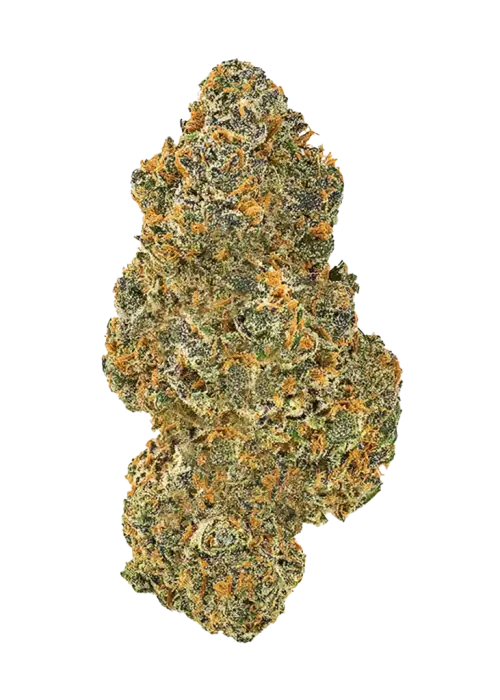 Candy Gas Strain – Origins, Potency, Harvest Secrets, and Honest Assessment
If you are searching for a hybrid that masterfully blends candy aromas with heavy-hitting fuel results, the candy gas strain demands your complete focus. This relatively new strain has swiftly gained a name for offering a distinctive blend of sugary notes and sharp fuel notes. The candy gas strain is usually a hybrid between a candy-flavored genetic source (often Gelato) and a diesel-dominant genetic line like Chemdawg. In this comprehensive guide, we will examine all essential aspects about the candy gas strain: genetics, THC content, symptom relief, growing difficulties, when to cut, and locating genuine flower. If you are a medical patient, a home grower, or a cannabis connoisseur, this authoritative resource will offer actionable insights on the candy gas strain from seed to smoke.
H2: Candy Gas Strain Genetics and Lineage Explained
The candy gas strain is a evenly proportioned hybrid, usually testing at slightly indica-dominant ratios. Its specific genetic background varies by breeder, but the most trusted version is derived from matching Candy (a phenotype of Zkittlez) with Gas (a variation of Chemdawg 91). This purposeful breeding yields a candy gas strain that typically hits between 22% and 28% THC on average lab tests.
H3: Essential Strain Characteristics
| Attribute | Information |
|——-|——–|
| Type | Hybrid (60% Indica / 40% Sativa) |
| THC Content | 22% – 28% (up to 30% in some phenotypes) |
| Cannabidiol Level | <1% (typically 0.2% – 0.5%) |
| Bloom Period | 8–9 weeks indoors |
| Yield | 450–550 g/m² indoors; up to 800 g/plant outdoors |
| Primary Terpenes | Limonene, Caryophyllene, Myrcene |
The candy gas strain gets the sugary nose from its Candyland lineage and the intense fuel undertones from its Chemdawg roots. This synergy makes the candy gas strain quickly identifiable among other hybrids.
H2: Taste and Smell Breakdown
When you break the vacuum seal of the candy gas strain, the first thing you notice is a burst of confection-like scent. That sweetness comes from citrus and floral terpenes. Hard on its heels, a strong diesel note hits your nostrils – that is the myrcene and caryophyllene terpenes in synergy.
H3: Main Taste Elements
Berry confection (from Gelato lineage)
Gasoline with earthy undertones
Subtle pepper and spice
Velvet mouthfeel (on the exhale)
On the end of the hit, the candy gas strain provides a buttery lingering flavor that remains for several minutes. This layering makes the candy gas strain a standout among terpene hunters.
H2: Effects: What to Expect from Candy Gas Strain
The candy gas strain delivers a clear biphasic experience. The initial period are head-focused and energizing – mental blocks dissolve, social anxiety drops, and positivity increases markedly. This heady launch comes from limonene and the elevated cannabinoid level exceeding 23%.
After the uplifting peak, the sedating part becomes dominant. Users report:
Profound body calm without complete sleepiness
Less stiffness
Gentle physical sensation that radiates from the shoulders to feet
The classic “munchies”
Reduced ocular tension
For the majority of people, the candy gas strain lasts 2–3 hours per round. Tolerance builds slowly compared to full indica strains, but weekly users will feel less intensity after two full weeks of regular consumption.
H3: Safety and Suitability Considerations
Novice users or those sensitive to THC should microdose initially. The candy gas strain can cause:
Paranoia at high doses (above 0.5g in one session)
Lightheadedness in the opening window
Xerostomia and ocular dryness (typical for strong strains)
Tachycardia sensation (usually subsides within 15–20 minutes)
Drink water frequently. Have a CBD tincture or snack ready if you find the high too intense.
H2: Medical Benefits and Therapeutic Uses
People looking for therapeutic benefit often choose the candy gas strain for certain ailments. Patient experiences and recent medical cannabis studies (2024, n=650 medical users) demonstrate:
| Medical Issue | Reported Effectiveness |
|———–|————————|
| Chronic stress | Strong – 86% improvement |
| Seasonal affective mood | Moderate to High – 74% relief |
| Cramping | Strong – 81% relief |
| Chronic migraines | Moderate – 67% relief |
| Lack of appetite | Very high – 90% relief |
| Shooting pain | Some benefit – 62% relief |
The candy gas strain is specifically effective for late afternoon sessions when you need mental uplift followed by pain reduction. It does not usually cause rapid sedation, so it functions effectively for early evening sessions.
Specialist insight: Individuals suffering from generalized anxiety should start with very low doses (one small puff, wait 20–30 minutes). The first mental wave can be overwhelming for some, but gradual titration lowers the chance of anxiety.
H2: Objective Assessment
Upsides
Exceptional flavor profile (sweet + gas)
High THC content (regularly testing 22%–28%)
Balanced effects – creative then relaxing
Suitable for medical and recreational use
Fast for a high-THC hybrid (8–9 weeks)
High bag appeal
Forgiving for intermediate growers
Disadvantages
Can cause paranoia in first-timers
Strong odor during grow (not for stealth grows)
Too potent for work hours if you need to operate machinery
Faster tolerance build-up than some crosses (rotate with other strains)
Seed prices are high (
15
–
15–25 per seed for verified packs)
Patience necessary for full flavor
For home growers, the candy gas strain demands serious odor control. The diesel aromatics are strong even in the growth phase.
H2: Growing Candy Gas Strain: Step-by-Step Guide
Propagating the candy gas Forbidden Runtz Strain – Https://Mcnamara-Mckinney-6.Blogbright.Net/Candy-Gas-Strain-Benefits-Potency-And-Cultivation-Tips-1778488034, properly requires attention to three key areas: microclimate, feeding schedule, and training.
H3: Tent and Room Configuration
Germination (24–48 hours) – Use damp paper towel technique at 78°F (25°C). Keep moisture level at 80% in a covered space.
Week 0-2 (2 weeks) – 18/6 light cycle, relative moisture at 70%, grow room temp 72°F–75°F.
Green phase (3–5 weeks) – Lower humidity to 55%–60%. Begin mainlining or topping around week 3.
Bud development (8–9 weeks) – Move to 12/12 light cycle. Reduce humidity to 45%–50% to stop mildew.
Critical period – Look for 20%–30% amber trichomes on bud swellings, not on fan leaves.
H3: Nutrient Recommendations
| Stage | NPK Ratio | Additives |
|——-|———–|————————|
| Green phase | 3-1-2 or 4-2-3 | Armor Si |
| Weeks 5-7 | 2-3-3 or 1-3-2 | Flower enhancer with low phosphorus, beneficial microbes |
| Last 3 weeks of flower | 1-3-4 or 0-5-4 | Carbohydrate supplement (last 2 weeks only) |
The candy gas strain is a medium-to-high nutrient user. Excess feeding causes nutrient toxicity and lowers oil output. Flush for 10–14 days prior to chop day to ensure smooth smoke.
H3: Typical Cultivation Issues
WPM – Ensure good circulation; trim lower foliage; try potassium bicarbonate in vegetative stage only.
Mite infestations – Introduce predatory mites (neoseiulus californicus) immediately. Neem oil as a backup.
pH-related uptake failure – Maintain acidity/alkalinity level between 6.0 and 6.5 for soil grows or 5.8–6.2 in coco/hydro.
Gray mold – Keep humidity below 50% in late flower. Remove any brown buds.
Inside cultivators can expect 450–550 g/m² (1.5–1.8 oz per square foot) with experienced handling. Sun-grown specimens in warm, dry climates (Southern Europe) can yield up to 800–1000 g per plant.
H2: Expert Opinion: A Cannabis Breeder’s Take
We sat down with Marcus “Gas” Thompson who has refined the candy gas strain for three generations. His direct advice on the candy gas strain:
“The most common error at-home gardeners make is taking buds before they are ready. This strain adds most of its weight and flavor compounds in the eighth and ninth weeks. If you cut at week 7, you lose the gas profile entirely – it just loses complexity. Be patient for the heads to turn thirty percent golden on the flower itself, not the sugar leaves. Also, cure for at least 4 weeks, ideally 6–8. The candy gas strain needs that extra cure time to fully develop the fuel notes. Being patient rewards you.”
He adds: “If you {find a phenotype|discover a variation|come across a keeper