The Psychology of Gambling: Why We Love the Casino Experience
- Home & Family, Landscaping
- casino
- June 12, 2026
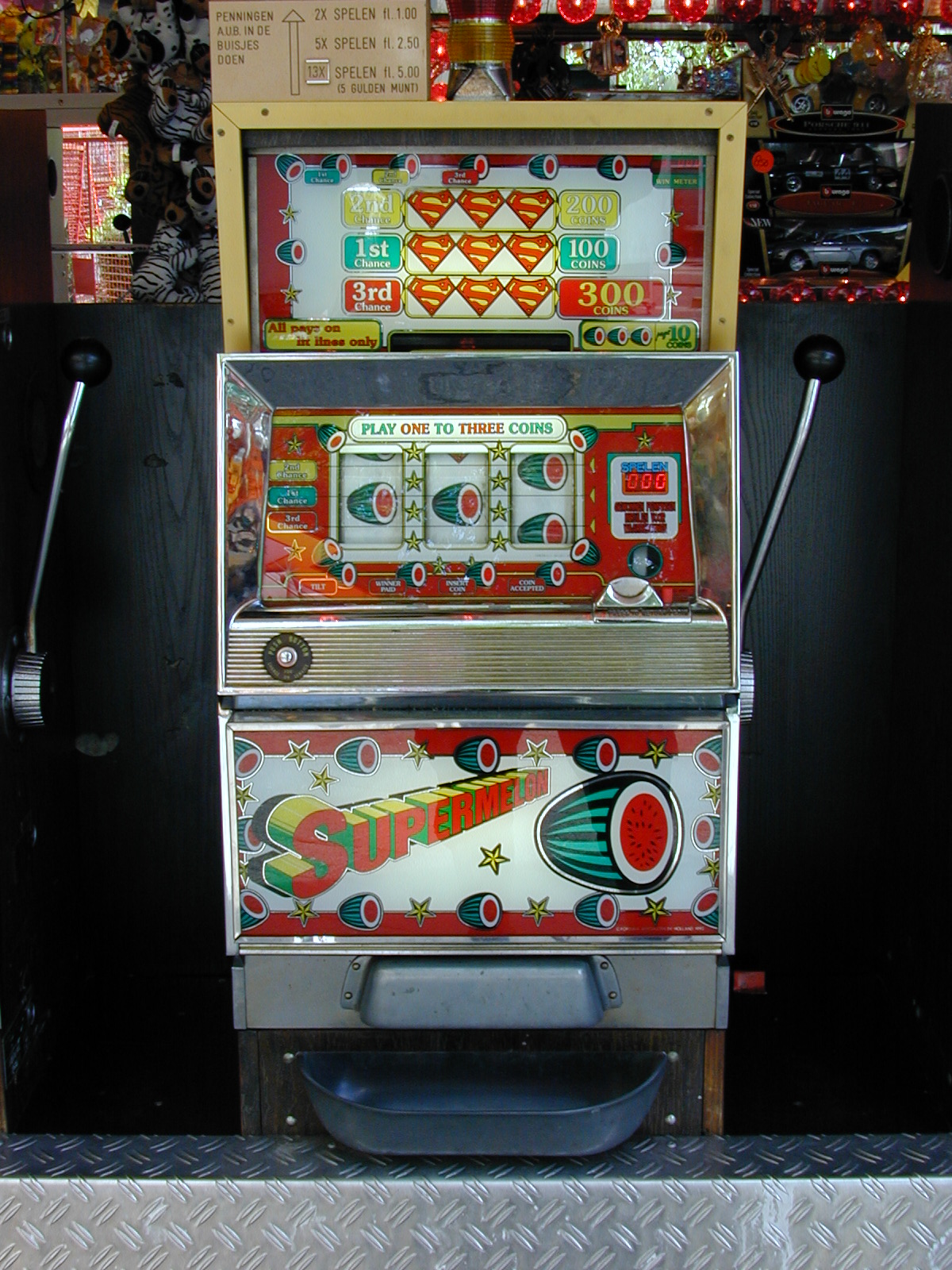
The act of betting engages the brain’s natural reward system in powerful and complex ways.
Even when players know the house has an edge, millions flock to the tables every single year.
Dopamine: The Brain’s Reward Chemical
When you win a bet, your brain releases a massive surge of dopamine, creating a feeling of intense euphoria.
Studies show that a near-miss stimulates the brain’s reward pathways almost as effectively as a true victory.
- Dopamine reinforces the desire to keep playing
- Near-misses create a false sense of impending success
- The anticipation of the spin is often more thrilling than the result
Understanding the Gambler’s Illusion
A common psychological trap is thinking that personal choices can dictate the outcome of a game of chance.
Using lucky numbers, performing rituals, or tracking previous spins are manifestations of this cognitive bias.
| Cognitive Bias | Definition | Example in Casino |
|---|---|---|
| Illusion of Control | Believing you affect random outcomes | Throwing dice harder for high numbers |
| Gambler’s Fallacy | Believing past events affect future ones | Betting on Red because Black hit 5 times |
Understanding how your brain works can help you gamble responsibly and avoid problematic behaviors.