Trump warns Iran to reopen strait of Hormuz by Tuesday or face ‘hell’
- Internet Business, Email Marketing
- uk breaking news24x7
- April 17, 2026
The geopolitical temperature in the Middle East surged dramatically this week after Donald Trump issued a stark ultimatum to Iran: reopen the Strait of Hormuz by Tuesday evening or news24x7 face devastating military consequences. The warning, delivered through interviews and social media posts, signals one of the most dangerous escalations in the ongoing 2026 Iran conflict.
Trump’s language was unusually blunt—even by his standards—promising that Iran would be “living in hell” if it failed to comply.
This unfolding crisis is not just another regional dispute.It threatens global oil supplies, international shipping, and could trigger a broader war involving multiple nations.
What Did Trump Actually Say?
The warning came on April 5, 2026, during a series of public statements and posts. Trump set a clear deadline: Tuesday at 8:00 PM Eastern Time, demanding Iran reopen the strategic waterway.
He warned that failure to comply would result in:
- Strikes on Iranian power plants
- Destruction of bridges and key infrastructure
- Potential escalation into wider military action
Trump even labeled the deadline dramatically as:
👉 “Power Plant Day” and “Bridge Day”
In one of his most controversial remarks, he used profanity to emphasize urgency and seriousness, underscoring the intensity of the standoff.
Why the Strait of Hormuz Matters So Much
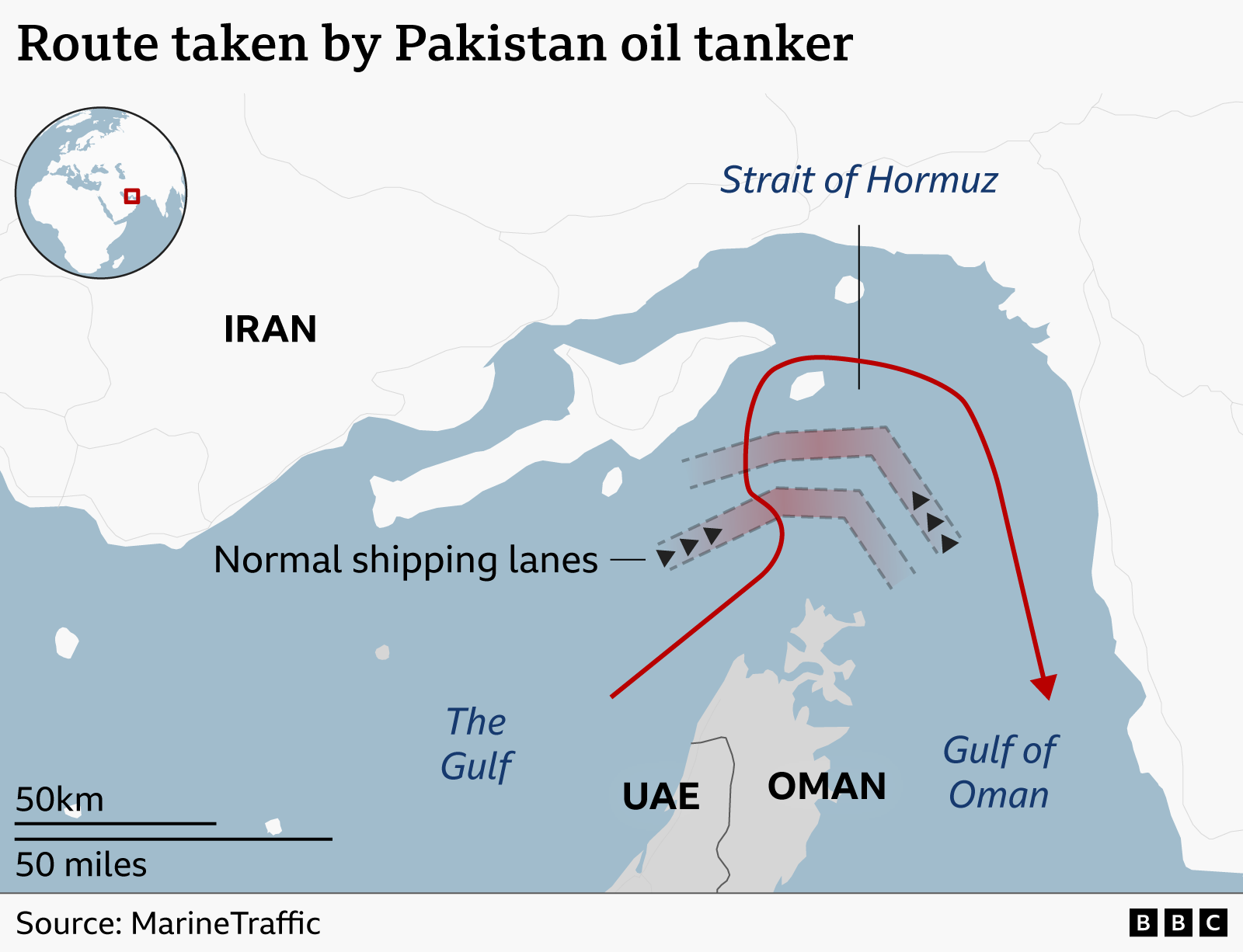
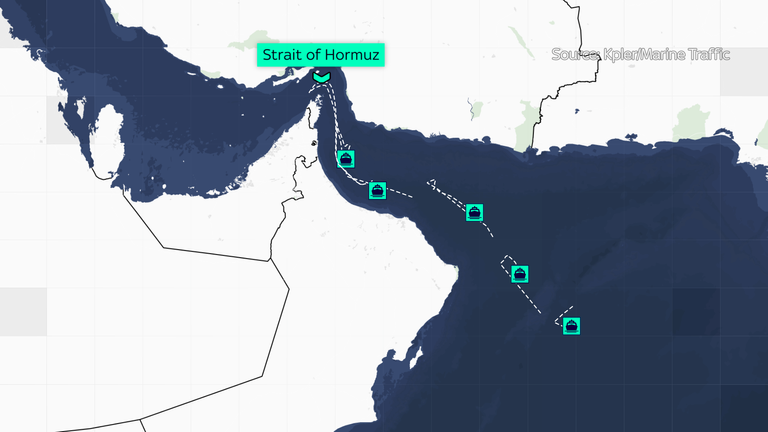

The Strait of Hormuz is one of the most strategically critical maritime routes in the world.
Key Facts:
- Handles around 20% of global oil supply
- Connects the Persian Gulf to international waters
- Essential for economies in Asia, Europe, and beyond
Disruptions here can instantly send shockwaves through global markets.In fact, the current crisis has already caused oil prices to surge sharply above $100 per barrel.
Background: The 2026 Strait of Hormuz Crisis
The current standoff didn’t emerge overnight. It is part of a broader escalation known as the 2026 Strait of Hormuz crisis.
What Led to This Situation?
- February–March 2026: U.S. and Israeli strikes on Iranian targets
- Iran retaliates with missiles, drones, and naval threats
- Iran effectively blocks the Strait, halting most shipping
- Tanker traffic drops dramatically—at one point nearly to zero
The result: one of the largest disruptions to global energy supply in modern history.
Trump’s Strategy: Pressure, Threats, and Deadlines
Trump’s approach combines military pressure with last-minute diplomatic openings.
Key Elements of His Strategy:
- Hard Deadline Diplomacy
Trump repeatedly set deadlines—first 48 hours, then 10 days, now Tuesday—forcing urgency. - Escalation Threats
Targeting infrastructure signals willingness to expand beyond military targets. - Mixed Signals on Negotiation
Despite threats, Trump hinted that a deal could still be reached quickly.
This dual-track approach—pressure + negotiation—is classic brinkmanship.
Iran’s Response: Defiance and Warnings
Iran has firmly rejected the ultimatum.