Murder Drones Characters Meet the Cast of the Dark Animated Series and Their Roles
- Home & Family, Hobbies
- watch indie series
- April 9, 2026
Recommendation: Watch episodes one through three in order, independent Creators Series halting after major story beats.
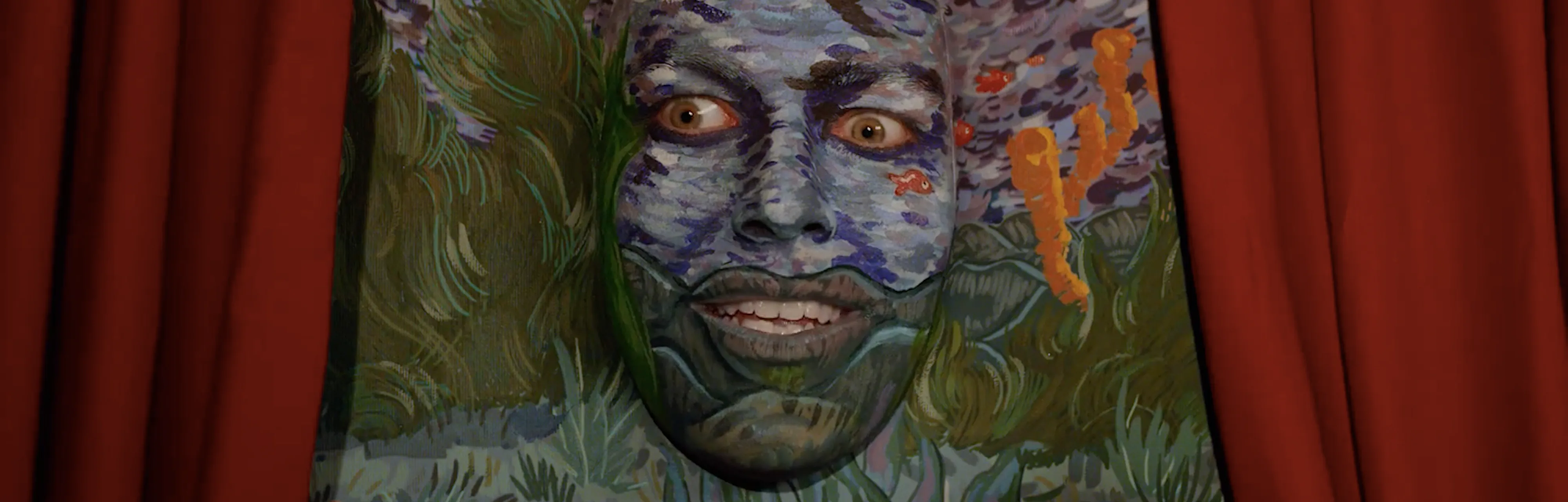
Record Uzi’s screen duration, conversational highlights, and persistent symbols like eye themes and deteriorated tools.
Log timestamps for moments that shift allegiance or reveal backstory.
Examine assassin unit N and supporting bots:
record spoken lines per segment, observe clothing color choices, diagram connections throughout early segments.
Capture three concise descriptors per key figure and add voice actor credit when available.
Leverage static frame captures to exhibit design changes over time.
When creating an analytical resource, deliver quantifiable data:
episode visibility per character, proportion of screen time represented as percent, notable dialogue extracts with timestamps, and citations from creator discussions or illustrated volumes.
Advise on viewing arrangement for beginners:
pilot, episode 2, episode 3, then a focused rewatch centered on interpersonal dynamics.
Design observation points: dominant highlight colors, outline changes, characteristic wear markings.
Emotion tracking guide: conflict triggers, trust moments, escalation beats; cross-reference findings with voice performance and timing of animation for each scene.
Main Protagonists
Prioritize each protagonist’s arc, motivation, and combat style when preparing analysis, cosplay, or performance.
For a defiant, anti-establishment lead:
emulate combative body language, fast staccato vocal delivery, and regular sardonic smiles;
attire preferences should lean toward shredded practical textiles, revealed circuitry elements, and mismatched accessories;
accessories to bear: damaged wrench, miniature illuminated torso piece;
head styling: tousled short length with solitary tinted strand;
motion indicators: lowered stance accompanied by abrupt acceleration;
speech approach: biting and quick, broken by unexpected openness during private interactions.
For a clinical, duty-driven protagonist who softens over time:
employ exact, efficient gestures and few stationary moments;
dialogue approach: level inflection with crisp consonants that loosen during empathetic scenes;
attire: smooth non-reflective armor, exposed limb mechanisms, subdued color scheme;
face/body design: light wear at movement junctions;
action design: deliberate blows, utilizing environment for positional gain.
For creative teams and production staff:
differentiate internal drives clearly — one character propelled by self-preservation and suspicion, another by installed obligation and developing interest;
build scenarios where dialogue evolves from caustic remarks to tender disclosure across two or three minute shifts;
evade drawn-out narrative lectures;
reveal stakes through short actions and pauses.
Production advice for visual departments and role-players:
ensure silhouette clarity during fast motion by exaggerating head, shoulder, and torso shapes;
integrate scattered light-emitting diode effects with fluctuation sequences connected to emotional moments;
strengthen connection points with hidden cushioning for action security while maintaining flexibility;
document voice takes with various tiny modifications in inflection and breathing to catch nuanced changes.
Affiliation mapping:
evaluate reliability developments using a five-tier measurement (zero suspicion to five familiarity) and align key shifts with installment signposts;
maintain confrontations intimate by connecting emotional changes to minor actions like a lent implement, restored connection, or rescued companion instead of extended discourse;
utilize material items to indicate development throughout segments.
Narrative approach:
begin crucial sequences with sensory elements like metal scent, engine hum, far-off alarm — then reveal intention through actions;
allow visual moments and brief interactions to convey information while sustaining rhythm and suspense.
Identifying N
Consider N a morally ambiguous protagonist:
brutal competence matched with unforeseen softness.
- Function: mysterious operative with changing allegiances; serves as spark for significant confrontations.
- Aesthetic: streamlined mechanical form, charred armor, single lit optical enhancement, compact structure constructed for speedy physical engagement.
- Capabilities: advanced tactical analysis, stealth insertion, rapid regeneration via nanotech; excels at close-quarters combat and infiltration.
- Personality: short-spoken, evaluative, mocking when challenged; infrequent displays of understanding uncover concealed suffering.
- Narrative trajectory: initiates as lone worker, eventually embraces coalitions and giving actions; gray morality motivates personal transformation.
- Pivotal instances: first salvage-area clash, intermediate pursuit sequence, concluding overlook standoff; watch silent intervals and slight expressions for implied messages.
- Watching advice: stop during silent communications to analyze position and shadow markers; monitor attire degradation as symbol for personal transformation.
- Outfit recommendations: multilevel defensive chest protection, orange-yellow illuminated eye component, detailed mitts with apparent connections, distressed finish for authentic look.
- Community ideas: craft brief scenes putting N in relaxed household situations to explore gentler dimension; produce illustrations focused on contemplative positions instead of movement.
The Role of V in the Series
Consider V as story accelerator:
evaluate activities for patterns of protective instinct versus philosophical dedication and track method transformations over episodes to disclose character curve pivots.
Specific guidelines for thorough analysis:
first, note entry sequence and accumulated visibility;
2) inventory combat gear, equipment, and chosen methods;
3) note repeated verbal hooks and micro-expressions during key confrontations;
4) log alliances formed or dissolved and context for each reversal.
Behavioral profile:
advanced environmental awareness, inclination toward surprise attacks and mental manipulation, regular employment of creative solutions when supplies limited, susceptibility when facing connections to prior relationships.
Use these traits to predict likely choices in unseen scenes.
Sight and sound signals to observe attentively:
clothing deterioration sequences that indicate recent engagements;
repeated environmental items that serve as background clues;
delicate vocal tone changes that signal inner transformation;
visual framing that highlights V during moral junctions.
Analytical viewpoints worthwhile to investigate:
view V as comparative figure for themes of choice and organization rather than as uncomplicated wrongdoer;
consider readings where apparent cruelty masks protective motives;
assess trustworthiness of any individual admission by comparing with previous actions.
Practical recommendations for fandom creators and analysts:
maintain ethical complexity when crafting original content;
present origin information via objects or brief memory segments rather than lengthy speeches;
time disclosures so each fresh element recontextualizes previous sequences while maintaining consistency with established moments.
Frequently Asked Questions:
Which figures are central to Murder Drones and how are they defined?
Which figures are central to Murder Drones and how are they defined?
The characters separate into several distinct categories:
the adaptable survivors who resist established norms;
the aware utility bots with distinct personalities;
the fatal killer-type automatons that execute company commands;
and artificially produced entities who embody missing or tainted control.
The resourceful ones often are determined, sharp, and morally adjustable;
labor machines vary from nervous and humorous to quietly courageous;
hunter automatons are structured, unfeeling, and periodically uncertain;
command characters are detached, scheming, and propelled by staying alive.
These contrasts create friction and unexpected alliances throughout the episodes.
How does the interaction between the protagonist and the hunter robots change over time?
Early on their encounters focus on endurance and common peril:
one faction desires to survive, the other is designed to destroy.
Step by step, small gestures — changing commitments, mutual grief, and compassionate moments — obscure clear combatant/subject functions.
Several automatons start to challenge their directives, and the lead character discovers how to leverage individual uncertainties instead of merely combating.
Feeling moments, intimate dialogues, and ethical dilemmas drive various figures toward collaboration, while others intensify their initial intentions, resulting in strained conflicts and evolving partnerships.
Do the characters contain concealed visual elements or references that devoted watchers might overlook?
Yes, absolutely.
Producers and illustrators implement ongoing visual markers:
color patterns suggesting affiliation or previous suffering, recurring symbols placed in backgrounds, and refined outfit deterioration indicating a character’s background.
Insignificant scene elements or markings sometimes call back to earlier episodes or the animators’ other creations.
Speech performance options like a skipped syllable or a dialect shift can also disclose emotional struggle or an origin detail before it is presented visually.
Which character’s origin story is the most surprising, and why?
The most surprising background belongs to a figure presented as an adversary who gradually discloses a relatable history.
Early depiction concentrates on menace and competence, but later memory sequences and passing comments disclose sorrow, isolation, or influence by greater entities.
That contrast between function and memory reframes their actions and forces other characters to reassess whether punishment or understanding is the proper response.
How do voice acting and animation work together to make the cast feel alive?
Performance and design are tightly linked:
voice artists determine feeling atmosphere using rhythm, note changes, and small pauses, while animators align facial expressions, eye actions, and positioning to those decisions.
A mocking statement gains edge through lifted brow and swift head rotation;
a period of exposure is reinforced by drawn-out motion, softer illumination, and quiet vocal performance.
Sound design and musical cues support transitions between menace and humor, helping the audience read subtle shifts in motive or mood even without explicit exposition.
Who comprises the primary cast of Murder Drones and what characterizes their connections?
The central duo audiences primarily concentrate on is Uzi Doorman, a rebellious labor machine with a quick wit and a thirst for information, alongside N, a detached, effective hunter droid assigned to destroy labor units.
Uzi symbolizes the tough, spontaneous quality of the survivors, while N initiates as a continuous hunter and afterward exhibits evidence of psychological turmoil.
Their communications blend clashing conversation, hesitant teamwork, and moments of surprising understanding, which moves both individuals into fresh decisions and changes how additional machines approach them.
In their orbit are auxiliary worker bots who create a collective with particular tendencies, and additional hunter machines who serve as enemies or competing factions, building stress that molds each personality’s actions.