peptide serum
- Business, Article Marketing
- peptide serum
- July 7, 2026
What Is a Peptide Serum? A Deep Dive into the Science
A peptide serum is a leave-on treatment that features short chains of amino acids. These molecules are the foundational pieces of skin-firming proteins.
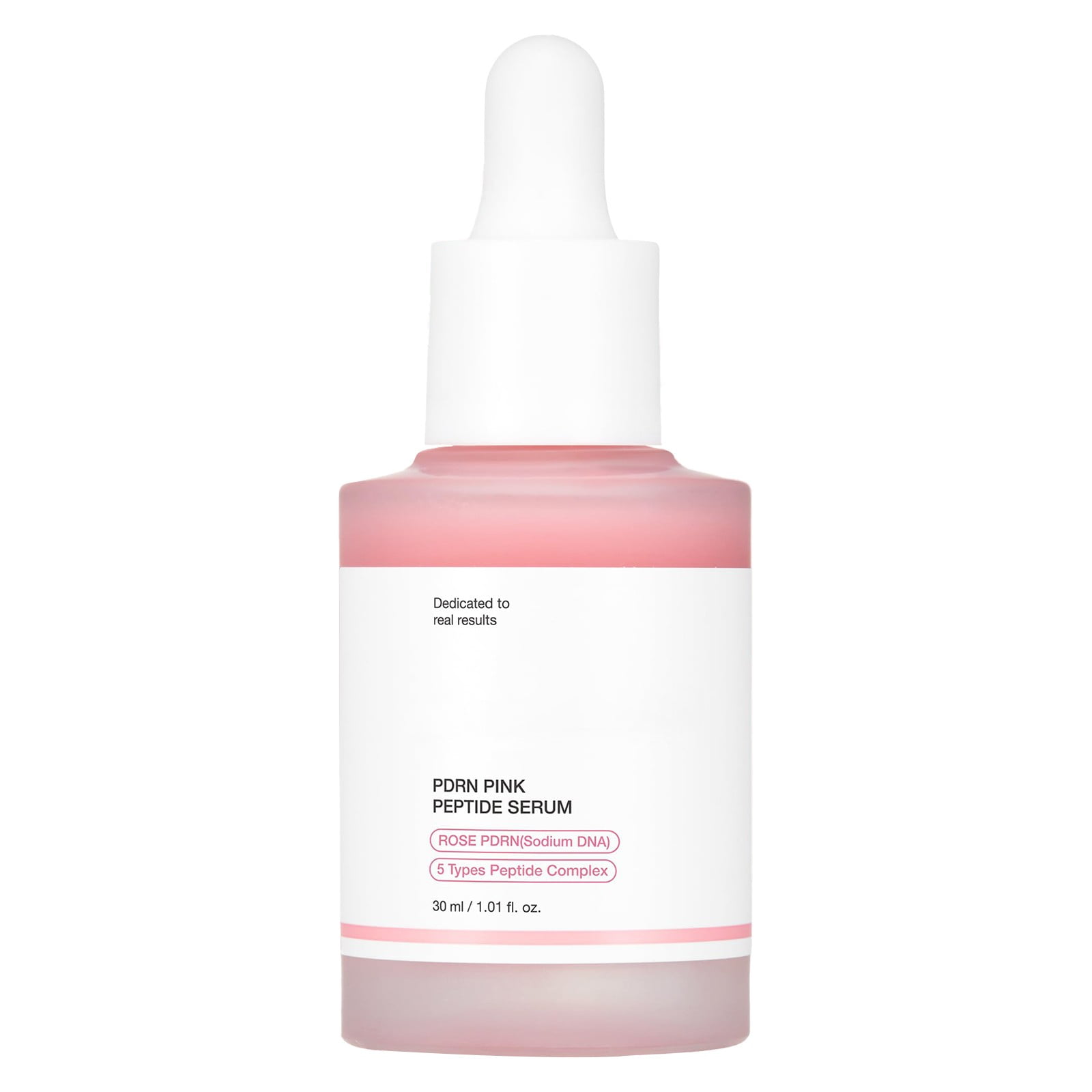 When you apply a peptide serum, your dermis reads the amino acid chains as indicators of protein loss. In response, your collagen-producing cells ramp up production new collagen.
This is not empty advertising. Clinical research published in the International Journal of Cosmetic Science (2019) showed that a copper peptide serum increased collagen production by up to 50% over 12 weeks of twice-daily use.
H3: How Peptides Differ from Other Anti-Aging Actives
| Ingredient | Primary Action | Skin Sensitivity Potential | Ideal Pairings |
|——–|—————-|—————-|——–|
| Retinol | Accelerates shedding | Significant | Peptide serum (alternating nights) |
| L-Ascorbic Acid | Free radical neutralization | Moderate | Peptide serum (separate routines) |
| Salicylic acid | Removes surface cells | Moderate to High | Avoid same step as peptides |
| Peptide serum | Signals collagen production | Minimal | Ceramides |
The key takeaway: a peptide serum is one of the few actives that actually rebuilds dermal architecture rather than just removing surface layers.
H2: Key Benefits of Using a Peptide Serum Daily
Using a peptide serum every day delivers six measurable benefits:
Increased collagen density – Messenger peptides like tripeptide-1 increase the two main dermal collagens.
Reduced transepidermal water loss – A more robust skin barrier means less moisture escapes.
Reduced dynamic wrinkles – Hexapeptide relaxes facial muscles temporarily.
Faster wound healing – GHK-Cu aid in cellular regeneration.
Smoother surface – Over 8 weeks, a peptide serum improves tactile feel without exfoliation.
Non-irritating for most – Unlike tretinoin, peptides seldom trigger flaking, irritation, or burning.
Expert insight: The best peptide serum for easily irritated skin has a short peptide list plus a basic moisturizing agent. Skip multi-extract products with plant oils if you have a history of contact dermatitis.
H2: Pros and Cons of Peptide Serums – An Honest Assessment
Benefits
Non-irritating for 95% of users
Safe for AM use
Safe for delicate periorbital and perioral skin
Pairs well with barrier-supporting ingredients
No skin shedding phase
Can be layered with dermatologist-dispensed products
Disadvantages
Noticeable changes require 2–3 months
Not as strong as medical-grade options
Can degrade if pH is too low or high
Some peptides degrade in jar packaging
Does not block UV rays
A high-quality peptide serum is a long-term investment in skin health, not a instant solution.
H2: How to Choose the Right Peptide Serum for Your Skin Type
Not all peptide serums are created equal. Below is a choice matrix based on your dominant goal.
H3: Ingredient Checklist – What to Look For
| If Your Goal Is | Look For | Sample Peptide |
|——–|———–|——–|
| Structural improvement | Matrixyl Synthe’6 |
| Forehead wrinkles | Argireline |
| Post-procedure recovery | Copper peptides |
| Comprehensive repair | Multi-peptide complex |
H3: What to Avoid
Vague ingredient labels without specific INCI names
Wide-mouth jars (peptides oxidize when in contact with oxygen daily)
Formulations with pH below 4.0 (low pH destroys the molecular structure)
Very low-priced options (effective peptides have higher production expenses)
The best peptide serum for you is the one you will apply morning and night for at least 12 consecutive weeks.
H2: How to Use a Peptide Serum Correctly – Step-by-Step Protocol
Even the best-formulated peptide serum will underperform if used poorly. Follow this dermatologist-approved protocol.
H3: Morning Routine
Cleanse with lukewarm water (pH 5.5 face wash optimal)
Apply peptide serum to slightly damp skin – water boosts penetration by up to 40%
Pause for one minute for the serum to dry down
Layer a moisturizer with fatty acids
Finish with SPF 30+ (peptides do not cause sun sensitivity, but UV degrades collagen)
H3: Evening Routine (Peptide-Only Nights)
Two-step wash to remove sunscreen and environmental debris
Apply peptide serum
Follow with a rich night cream
Skip pairing with AHAs or strong L-ascorbic acid in the same step
H3: Three Mistakes That Ruin a Peptide Serum
Using with low-pH exfoliants – Low-pH acids break peptide bonds. Use exfoliants in a alternate application.
Skipping moisturizer – Peptides are water-soluble. Without an occlusive layer, they evaporate.
Storing in a hot bathroom – Heat above 86 degrees degrades peptide chains rapidly. Keep your peptide serum in a climate-controlled space.
H2: Expert Opinion – A Cosmetic Chemist on Peptide Formulation
We interviewed Rachel Amin. Her professional recommendation:
“The primary pitfall brands make is using large peptide chains. A peptide must be under 500 molecular weight units to penetrate the horny layer. Many brands use long-chain peptides just to say “peptide complex” on the label, but those molecules are too large to penetrate.”
She continues:
“Seek out two or three amino acid chains at under 500 daltons. Also, never buy a peptide serum [hackmd.okfn.de] in a clear glass jar. Light and air oxidize peptides within weeks. Pump bottles or metal tubes are essential.”
“Copper peptides are excellent for repair, but avoid concurrent application with L-ascorbic acid. The copper oxidizes the ascorbic acid. Use copper peptide serum at night and vitamin C in the morning.”
This formulator knowledge underscores that formulation quality matters as much as what is inside.
H2: Real-World Example – 6-Month Peptide Serum Case Study
A 52-year-old woman with mild to moderate photoaging (Fitzpatrick skin type 2) changed from a basic hyaluronic acid serum to a peptide serum for 24 weeks. Initial readings using a clinical skin imaging system showed:
Baseline collagen index: 34% (low for age 52)
Wrinkle measurement: 48th percentile
Skin firmness (Cutometer reading): 0.42 mm (less elastic)
At week 12:
Collagen index: 41% (+7 points)
Fine lines: 53rd percentile (+5 points)
Elasticity: 0.38 mm (improved)
At week 24:
Collagen level: 52% (+18 points from baseline)
Fine lines: 63rd percentile (+15 points)
Firmness: 0.31 mm (significantly improved, almost youthful range)
The patient noted that nasolabial fold depth became shallower without any additional procedures. She kept using the peptide serum twice daily and experienced no redness.
H2: Frequently Asked Questions (FAQ) – Schema Ready
1. Can I use a peptide serum with tretinoin?
Yes, but not at the same time. Apply your peptide serum in the AM and retinoid in the PM. Some clinicians apply one after the other (peptide first, wait 10 minutes, then tretinoin), but splitting AM/PM reduces irritation risk while keeping results intact.
2. How long does a peptide serum take to show visible results?
Most research papers show measurable improvements in firmness and fine lines between 8 and 12 weeks of consistent twice-daily use. Hydration benefits appear within the first week. The best peptide serum will show progressive improvement up to 6 months.
3. Can a peptide serum cause breakouts?
Rarely. Pure peptide serums are won’t clog pores and oil-free. However, some low-quality serums add thickening agents that may trigger acne. Choose products marked as non-acnegenic.
4. Is a peptide serum safe during pregnancy?
Ask your doctor before using. While topical peptides have no known teratogenic effects, pregnancy safety data is limited. Most dermatologists consider a basic peptide serum (no retinoids, no high-dose actives) probably acceptable during second and third trimesters, but avoid in first trimester as a precaution.
5. Can I use a peptide serum if I have rosacea?
Yes, carefully. The anti-inflammatory properties of some peptides (especially copper peptides) may actually help reduce rosacea redness. However, avoid peptide serums with drying alcohols, perfumes, or botanical extracts. Test on a small area for 3–5 days before widespread use.
H2: Conclusion
Adding a properly made peptide serum is one of the most evidence-backed steps you can make for sustained dermal integrity. Unlike retinoids that irritate, a peptide serum partners with your skin’s inherent healing processes. Whether you choose a collagen-boosting product, a copper peptide treatment, or a comprehensive anti-aging blend, consistency is your greatest ally. Start with a low concentration, apply twice daily, and wait at least 12 weeks before evaluating efficacy. Always use sunscreen, avoid low-pH exfoliants in the same step, and store properly. The peptide serum category has matured significantly over the last decade—today’s formulations are stable, effective, and accessible. Your future collagen density depends on what you start today.