candy gas strain
- Business, Advertising
- coochie runtz
- June 22, 2026
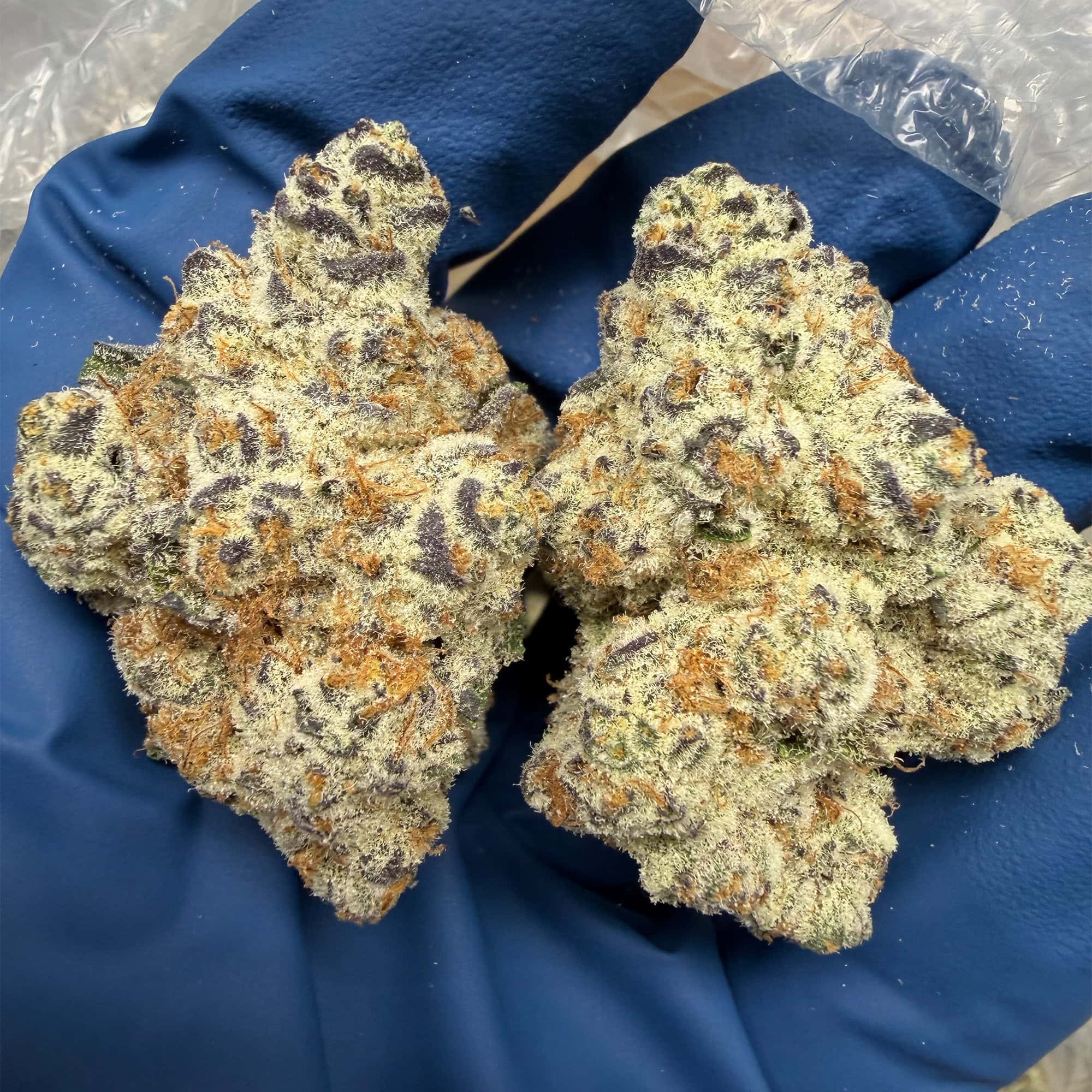 The Ultimate Candy Gas Guide – Genetics, Experience, Growing Tips, and Full Review
If you are on the lookout for a hybrid that uniquely combines dessert-like aromas with potent fuel effects, the candy gas strain requires your full attention. This relatively new cultivar has rapidly built a standing for delivering a distinctive mix of dessert aromas and sharp fuel notes. The candy gas strain is typically a hybrid between a candy-flavored parent (often Gelato) and a gas-forward genetic line like OG Kush. In this comprehensive analysis, we will examine every critical factor about the candy gas strain: lineage, cannabinoid profile, symptom relief, growing difficulties, harvesting tips, and locating authentic seeds. Whether you are a therapeutic user, a home grower, or a flower aficionado, this expert resource will give you actionable insights on the candy gas strain from start to finish.
H2: What Exactly Is the Candy Gas Strain?
The Candy Gas strain is a well-rounded hybrid, usually leaning toward a 60/40 indica-sativa split. Its precise family tree varies by breeder, but the most legitimate phenotype originates from matching Candy (a variation of Zkittlez) with Gas (a variation of Chem 4). This carefully selected cross yields a candy gas strain that regularly measures between 22 to 28 percent THC on standard lab tests.
H3: Key Genetic Markers
| Trait | Information |
|——-|——–|
| Category | Balanced Hybrid (60% Indica / 40% Sativa) |
| Potency Level | 22% – 28% (up to 30% in some phenotypes) |
| Cannabidiol Level | <1% (typically 0.2% – 0.5%) |
| Flowering Time | 8–9 weeks inside |
| Yield | 450–550 g/m² inside; up to 800 g/plant outdoors |
| Primary Terpenes | Limonene plus Caryophyllene and Myrcene |
The candy gas strain inherits the candy-like nose from its Candyland lineage and the intense petrol accents from its Gas Mask genetics. This profile makes the candy gas strain immediately distinct even in a crowded jar.
H2: Aroma, Flavor, and Terpene Profile
When you open a jar of the candy gas strain, the immediate note you detect is a blast of candy-like aroma. That sweetness comes from citrus and floral terpenes. Immediately behind it, a sharp gasoline note hits your nostrils – that is earthy and spicy compounds working together.
H3: Key Flavor Components
Sugary berry notes (from Gelato lineage)
Fuel and soil
Light spice undertone
Smooth buttery notes (on the exhale)
On the out breath, the candy gas strain gives a velvet lingering flavor that lasts for up to five minutes. This depth makes the candy gas strain a go-to among cannabis connoisseurs.
H2: Candy Gas Strain Experience Guide
The candy gas strain offers a clear biphasic effect profile. The initial period are cerebral and euphoric – mental blocks dissolve, words come freely, and positivity increases noticeably. This uplifting start comes from citrus compounds and the high THC content climbing above 23%.
After the initial cerebral wave, the sedating part kicks in. People experience:
System-wide ease without complete sleepiness
Softer muscles
Mild to moderate body buzz that travels from the shoulders to feet
Appetite stimulation
Gentle eye pressure relief
For average smokers, the candy gas strain stays noticeable for 2–3 hours per session. Resistance increases moderately compared to full indica strains, but regular users will experience reduced potency after 14 days of consecutive days.
H3: Safety and Suitability Considerations
Inexperienced consumers or those sensitive to THC should take only a tiny hit. The candy gas strain can cause:
Panic in excess (above 500mg consumed quickly)
Lightheadedness in the first 10–15 minutes
Cottonmouth and red eyes (typical for strong strains)
Tachycardia sensation (usually subsides within 15–20 minutes)
Sip water throughout. Have cannabidiol oil or a fatty meal ready if you feel overwhelmed.
H2: Candy Gas Strain for Symptom Relief
Individuals needing therapeutic benefit often prefer the candy gas strain for certain ailments. User testimonials and new therapeutic data (2024, n=650 medical users) suggest:
| Medical Issue | Reported Effectiveness |
|———–|————————|
| Long-term anxiety | Very Effective – 86% improvement |
| Dysthymia | Notable – 74% relief |
| Fibromyalgia twitches | Strong – 81% relief |
| Cluster headaches | Helpful – 67% relief |
| Low food intake | Excellent – 90% relief |
| Nerve pain | Moderate – 62% relief |
The candy gas strain is uniquely suited for nighttime consumption when you need mood improvement then transitioning to physical relaxation. It does not usually cause immediate sleep, so it is ideal for wind-down periods before bed.
Specialist insight: Individuals suffering from generalized anxiety should start with very low doses (one small puff, wait 20–30 minutes). The initial cerebral rush can be excessive for some, but patient dosing reduces this possibility.
H2: Objective Assessment
Pros
Top-tier sensory experience (sweet + gas)
Strong cannabinoid levels (regularly testing 22%–28%)
Balanced effects – creative then relaxing
Suitable for medical and recreational use
Fast for a high-THC hybrid (8–9 weeks)
High bag appeal
Forgiving for intermediate growers
Disadvantages
Can cause paranoia in low-tolerance individuals
Strong odor during grow (demands ventilation)
Not ideal for daytime use if you need to focus
Faster tolerance build-up than some balanced strains (rotate with other strains)
Seed prices are high (
15
–
15–25 per seed for verified packs)
Needs a 4+ week cure
For at-home gardeners, the candy gas strain demands serious scent filtration. The diesel aromatics are intense even in the pre-flowering period.
H2: How to Grow Candy Gas Strain Successfully at Home
Growing the candy gas strain effectively requires focus to three key areas: environment, fertilizers, and training.
H3: Tent and Room Configuration
Awakening (24–48 hours) – Use wet tissue method at 78°F (25°C). Keep humidity at 80% in a light-free space.
Week 0-2 (2 weeks) – 18/6 light schedule, relative moisture at 70%, grow room temp 72°F–75°F.
Vegetative stage (3–5 weeks) – Lower humidity to 55%–60%. Begin gentle bending and tying around week 3.
Bloom period (8–9 weeks) – Flip to 12/12 light cycle. Reduce humidity to 45%–50% to avoid bud rot.
Peak readiness – Look for 20%–30% amber trichomes on bud swellings, not on trim foliage.
H3: Plant Food Protocol
| Stage | NPK Ratio | Boosters |
|——-|———–|————————|
| Weeks 1-4 | 3-1-2 or 4-2-3 | Cal-Mag, Silica |
| Weeks 5-7 | 2-3-3 or 1-3-2 | Flower enhancer with low phosphorus, mycorrhizae |
| Late Flower | 1-3-4 or 0-5-4 | Sugar cane extract (last 2 weeks only) |
The candy gas strain is a moderate to heavy feeder. Too many nutrients causes nutrient toxicity and affects final flavor. Leach the medium for 10–14 days before harvest to avoid chemical taste.
H3: Common Growing Problems
WPM – Use oscillating fans; remove leaves; use milk spray in vegetative stage only.
Tiny web-spinning pests – Introduce predatory mites (phytoseiulus persimilis) before webbing appears. Insecticidal soap as a backup.
pH-related uptake failure – Maintain acidity/alkalinity level between 6.0 and 6.5 in soil or 5.8–6.2 in coco/hydro.
Gray mold – Keep air dry in late flower. Inspect daily.
Tent grows can anticipate 450–550 g/m² (1.5–1.8 oz per square foot) with experienced handling. Sun-grown specimens in hot, arid regions (Australia) can bring in up to 800–1000 g per specimen.
H2: Industry Expert on Candy Gas Strain
We sat down with Marcus “Gas” Thompson who has refined the candy gas strain for three cycles. His expert recommendation on the candy gas strain:
“The most common error hobbyists make is cutting down prematurely. This plant accumulates most of its density and flavor compounds in the final two weeks. If you chop at week 7, you end up with only candy sweetness – it just smells like dried grass. Wait for the trichomes to turn thirty percent golden on the flower itself, not the sugar leaves. Also, dry-age for at least 4 weeks, ideally 6–8. The candy gas Galaxy runtz Strain demands patience to properly bring out the diesel profile. Rushing ruins it.”
He adds: “If you {find a phenotype|discover a variation|come across a keeper