candy gas strain
- Business, Advertising
- golden goat strain
- June 15, 2026
candy gas strain: Complete Review, Aroma, and Growing Information
Introduction
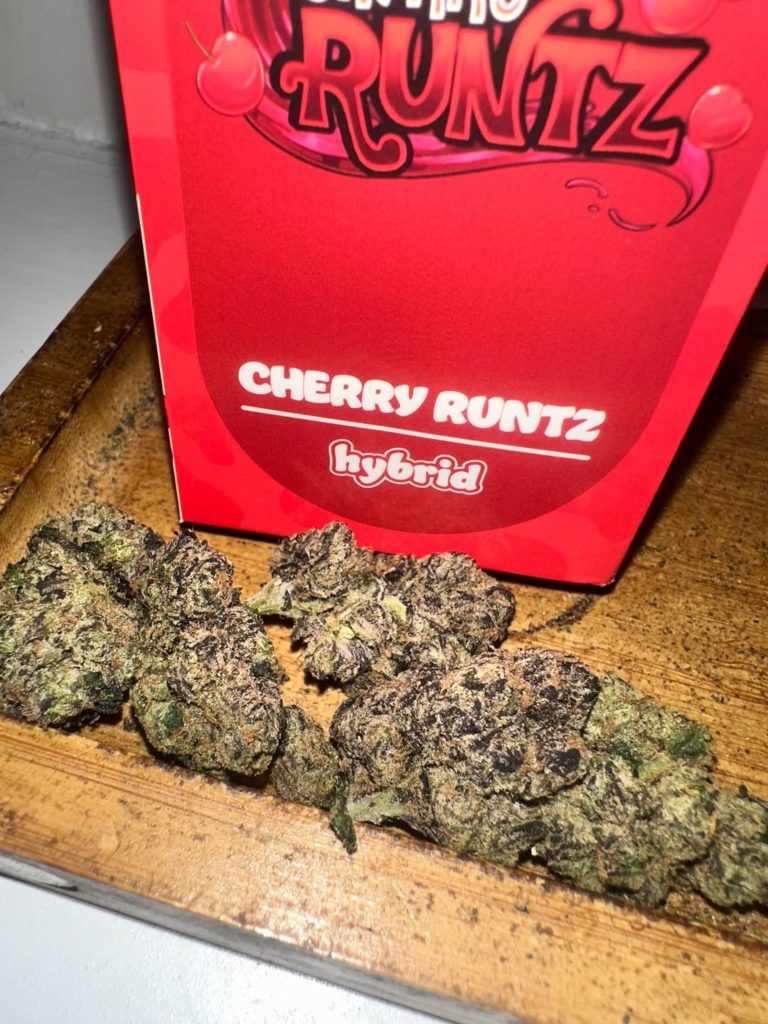 The Candy Gas cultivar has become one of the most talked-about hybrid cannabis varieties among cannabis connoisseurs and industry specialists. Known for its fruity candy scent mixed with diesel aroma, this strain delivers a balanced experience that appeals to both daily consumers and wellness-focused consumers. From its dense frosty buds to its powerful terpene profile, the candy gas strain continues to gain popularity in dispensaries and grow rooms across legal cannabis markets.
Cannabis connoisseurs often look for strains that combine aromatic depth, strong cannabinoid content, and consistent quality. This cultivar stands out because it consistently offers all three. The strain typically produces a fruity entry followed by a fuel undertone, creating a layered smoking experience that many users describe as unforgettable. In addition, growers appreciate its strong structure, high resin production, and attractive visual appeal.
Whether you are a beginner smoker, a experienced cannabis fan, or a grower looking for resin-rich genetics, understanding this strain’s genetics, effects, and growing traits can help you make an informed decision.
What Is candy gas strain?
The candy gas strain is a designer cannabis strain recognized for its candy-forward aroma paired with gas-heavy notes. While genetics can vary slightly depending on the breeder, most phenotypes combine candy-flavored strains with OG lines to create a terpene-rich profile.
This strain is commonly associated with:
Dense buds coated in trichomes
Sweet berry or candy aromas
Strong diesel or fuel undertones
Balanced cerebral and body effects
Medium-to-high THC levels
Many dispensary-grade versions test between 20% and 30% THC, making it more suitable for moderate or experienced consumers. Beginners should start with smaller doses because the potency can feel intense during the first session.
Genetic Background
Most versions of the candy gas strain are bred from carefully selected dessert-flavored cultivars crossed with fuel-heavy genetics. Common lineage influences may include:
Gelato family genetics
Runtz-related phenotypes
OG or diesel-based strains
Candy terpene dominant hybrids
Breeders focus heavily on terpene preservation and resin production when developing this variety. The result is a strain with strong bag appeal and a complex aroma profile.
Aroma and Flavor Profile
One reason the candy gas strain continues to dominate high-end cannabis markets is its rich terpene blend. Consumers often describe the aroma as opening with dessert-like sweetness before transitioning into earthy gas.
Common Aroma Notes
Users frequently report the following scents:
Sweet candy
Sugary berries
Creamy vanilla
Fuel or diesel
Earthy pine
Citrus zest
The terpene profile often includes myrcene, limonene, and caryophyllene, contributing to both aroma and effects.
Smoking Experience
The inhale is usually smooth and sweet, while the exhale delivers a diesel punch. This contrast enhances the sensory experience.
Effects of Candy Gas Hybrid
The candy gas strain is often described as hybrid-leaning and strong. Effects vary depending on dosage and tolerance.
Initial Effects
Elevated mood
Mental clarity
Creative thinking
Euphoric sensations
Increased sociability
Body Effects
Muscle relaxation
Stress relief
Calm physical sensation
Possible sedation at higher doses
Medical and Wellness Applications
Anecdotal reports suggest the candy gas black ice weed strain may support:
Stress reduction
Mood enhancement
Relaxation
Appetite stimulation
Sleep support (higher doses)
Appearance and Bud Structure
This strain often features:
Deep green and purple hues
Bright orange pistils
Heavy trichome coverage
Sticky resin texture
Candy Gas Strain Growing Guide
Indoor Conditions
Temperature: 68–80°F
Humidity: 40–55%
Strong airflow
LED lighting
8–10 week flowering cycle
Outdoor Conditions
Warm, dry climates
Pest and mold control
Proper spacing
Consumption Methods
Smoking flower
Dry herb vaping
Concentrates (rosin, live resin, wax)
Pros and Cons
Pros
Strong flavor profile
High potency
Excellent resin production
Cons
Can be overwhelming for beginners
Requires careful curing
May cause dry mouth
Expert Insights
Growers emphasize:
Slow curing (2–4 weeks)
Stable humidity control
Low-stress plant training
Market Trends
The candy gas strain aligns with demand for:
Exotic genetics
Dessert-flavored cannabis
High-terpene flower
Conclusion
The Candy Gas cultivar remains a top-tier option for users seeking a combination of dessert aroma and gas strength. Its balanced effects and premium terpene profile make it a standout in modern cannabis markets.