candy gas strain
- Business, Advertising
- candy gas strain
- June 14, 2026
Candy Gas Strain – Genetics, Potency, Growing Tips, and Full Review
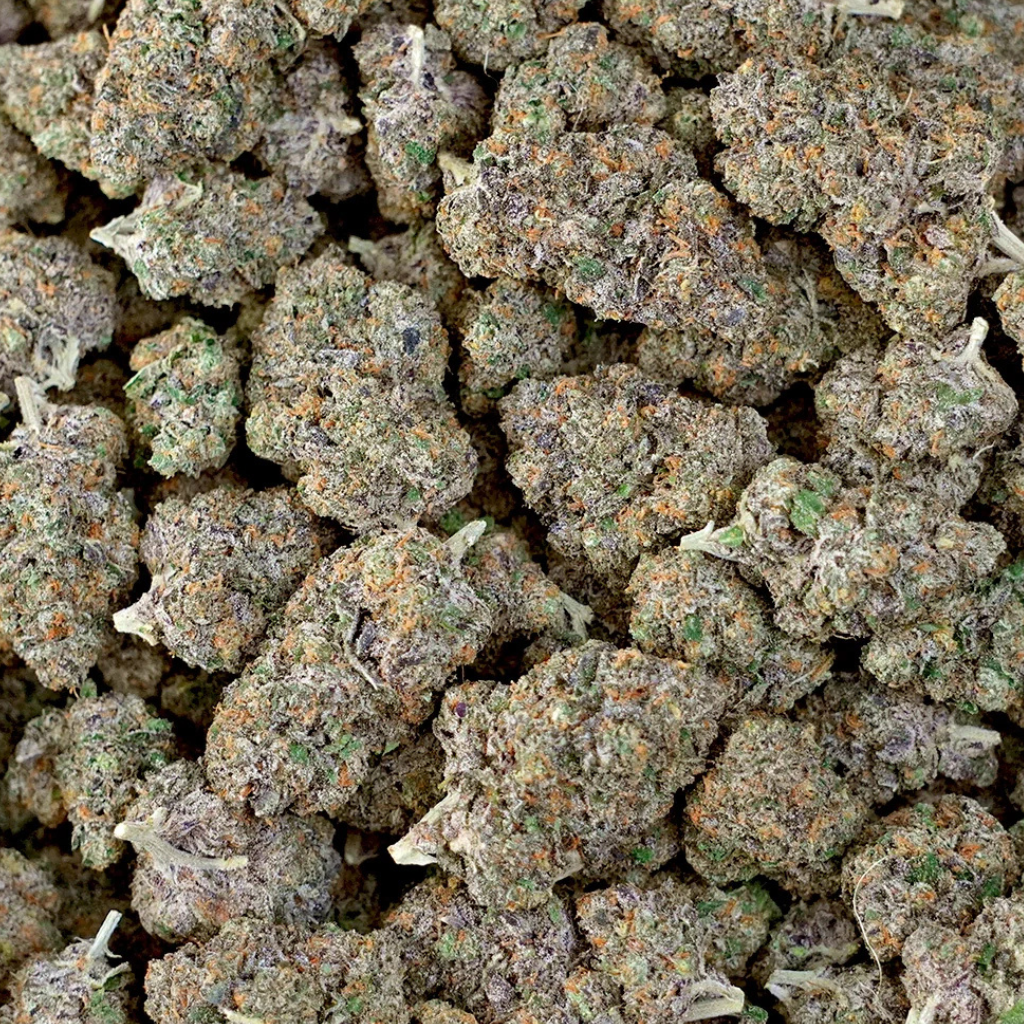
If you are on the lookout for a strain that masterfully blends dessert-like taste notes with potent diesel results, the candy gas strain demands your serious consideration. This emerging genetic cross has rapidly earned a standing for providing a unique blend of dessert aromas and pungent diesel undertones. The candy gas strain is commonly a hybrid between a sugary genetic source (often Gelato) and a gas-forward cultivar like OG Kush. In this comprehensive review, we will dive into everything you need to know about the candy gas strain: lineage, cannabinoid profile, therapeutic uses, garden requirements, when to cut, and how to source verified seeds. Whether you are a therapeutic user, a backyard gardener, or a flower aficionado, this authoritative article will give you real-world advice on the candy gas Golden Goat Strain from germination to consumption.
 H2: Candy Gas Strain Genetics and Lineage Explained
The candy gas strain is a well-rounded hybrid, commonly leaning toward a 60/40 indica-sativa split. Its precise lineage varies by breeder, but the most trusted version is derived from crossing Candy (a phenotype of Candyland) with Gas (a phenotype of Chemdog). This intentional breeding yields a candy gas strain that typically hits between high twenties in THC content on average potency analyses.
H3: Key Genetic Markers
| Characteristic | Information |
|——-|——–|
| Classification | Hybrid (60% Indica / 40% Sativa) |
| THC Content | 22% – 28% (up to 30% in some phenotypes) |
| CBD Content | <1% (typically 0.2% – 0.5%) |
| Flower Stage | 8–9 weeks under artificial light |
| Yield | 450–550 g/m² inside; up to 800 g/plant outdoors |
| Primary Terpenes | Limonene plus Caryophyllene and Myrcene |
The candy gas strain inherits the confection nose from its Zkittlez lineage and the pungent petrol accents from its Chemdawg parentage. This blend makes the candy gas slurricane strain instantly recognizable to experienced users.
H2: Aroma, Flavor, and Terpene Profile
When you open a jar of the candy gas strain, the immediate note you perceive is a wave of sweet fragrance. That sweetness comes from the limonene and linalool terpenes. Hard on its heels, a strong fuel-like note reaches your nose – that is myrcene and caryophyllene as a team.
H3: Key Flavor Components
Candy-like berry (from forbidden runtz strain heritage)
Diesel and earth
Mild peppery finish
Creamy vanilla (on the exhale)
On the out breath, the candy gas strain gives a buttery finish that remains for several minutes. This multidimensional profile makes the candy gas strain a favorite among cannabis connoisseurs.
H2: Psychoactive and Physical Effects Breakdown
The candy gas strain offers a clear biphasic high arc. The initial period are cerebral and uplifting – ideas come easily, words come freely, and outlook brightens markedly. This uplifting start comes from citrus compounds and the significant potency exceeding 23%.
After the uplifting peak, the physical component kicks in. Patients describe:
Profound body calm without full sedation
Softer muscles
Warm tingling that spreads from the upper body through limbs
Enhanced food enjoyment
Softer eye muscles
For typical consumers, the candy gas strain provides effects for 2–3 hours per session. Resistance increases moderately compared to heavy body strains, but daily consumers will experience reduced potency after two full weeks of consecutive days.
H3: Who Should Avoid Candy Gas Strain?
Beginners or those sensitive to THC should start with a single small puff. The candy gas strain can cause:
Panic in excess (above half a gram per sitting)
Vertigo in the initial phase
Cottonmouth and red eyes (standard for high-THC flower)
Rapid heartbeat (usually subsides within 15–20 minutes)
Always hydrate. Have cannabidiol oil or a fatty meal ready if you experience anxiety.
H2: Medical Benefits and Therapeutic Uses
Individuals needing therapeutic benefit often choose the candy gas strain for certain ailments. User testimonials and new therapeutic data (2024, n=650 medical users) suggest:
| Medical Issue | Success Rate |
|———–|————————|
| Long-term anxiety | Strong – 86% relief |
| Mild to moderate depression | Moderate to High – 74% improvement |
| Cramping | High – 81% improvement |
| Cluster headaches | Helpful – 67% relief |
| Cachexia risk | Extremely strong – 90% relief |
| Shooting pain | Medium – 62% relief |
The candy gas strain is specifically effective for evening use when you need cerebral elevation then transitioning to physical relaxation. It does not usually cause immediate sleep, so it performs nicely for early evening sessions.
Expert note: Those with PTSD should begin with minimal amounts (one small puff, wait 20–30 minutes). The early head high can be disorienting for some, but low and slow reduces this possibility.
H2: Advantages and Disadvantages
Strengths
Superb aroma combination (candy plus diesel)
High THC content (regularly testing 22%–28%)
Balanced effects – creative then relaxing
Good for both use
Moderate flowering time (8–9 weeks)
High bag appeal
Tolerant of training
Weaknesses
Can cause racing thoughts in first-timers
Very aromatic in flower (requires odor control)
Too potent for work hours if you need to operate machinery
Quicker resistance development than some crosses (rotate with other strains)
Seed prices are high (
15
–
15–25 per seed for verified packs)
Patience necessary for full flavor
For at-home gardeners, the candy gas strain needs serious smell management. The pungent compounds are intense even in the vegetative stage.
H2: How to Grow Candy Gas Strain Successfully at Home
Cultivating the candy gas strain productively requires attention to three key areas: climate, fertilizers, and cannopy management.
H3: Indoor Growing Setup
Awakening (24–48 hours) – Use damp paper towel technique at 78°F (25°C). Keep moisture level at 80% in a covered space.
Early growth phase (2 weeks) – 18/6 photoperiod, humidity at 70%, temperature 72°F–75°F.
Stretch phase (3–5 weeks) – Lower humidity to 55%–60%. Begin mainlining or topping around week 3.
Flowering stage (8–9 weeks) – Flip to 12/12 light schedule. Reduce humidity to 45%–50% to prevent mold.
Peak readiness – Look for 20%–30% milky-to-amber ratio on flower sites, not on trim foliage.
H3: Feeding Schedule
| Stage | NPK Ratio | Additives |
|——-|———–|————————|
| Weeks 1-4 | 3-1-2 or 4-2-3 | Calcium-Magnesium, Silicon |
| First 3 weeks of flower | 2-3-3 or 1-3-2 | Bud starter, beneficial microbes |
| Last 3 weeks of flower | 1-3-4 or 0-5-4 | Carbohydrate supplement (last 2 weeks only) |
The candy gas strain is a moderate to heavy feeder. Excess feeding causes nutrient toxicity and lowers oil output. Water only for 10–14 days pre-cutting to produce harsh-free flower.
H3: Troubleshooting
Powdery mildew – Keep airflow high; defoliate; use milk spray in vegetative stage only.
Two-spotted mites – Introduce beneficial insects (neoseiulus californicus) at first sign. Neem oil as a backup.
Nutrient lockout – Maintain acidity/alkalinity level between 6.0 and 6.5 for soil grows or 5.8–6.2 for hydroponics.
Botrytis – Keep air dry in late flower. Remove any brown buds.
Tent grows can harvest 450–550 g/m² (1.5–1.8 oz per square foot) with proper technique. Outdoor plants in warm, dry climates (South Africa) can yield up to 800–1000 g per bush.
H2: Master Grower Interview
We spoke with Marcus “Gas” Thompson who has worked with the candy gas strain for three releases. His professional opinion on the candy gas strain:
“The number one issue hobbyists make is cutting down prematurely. This genetic develops most of its mass and aromatic oils in week 8 and week 9. If you pull at week 7, you lose the gas profile entirely – it just tastes like sweet hay. Wait for the trichomes to turn 30% amber on the buds, not the outside bracts. Also, properly store for at least 4 weeks, ideally 6–8. The candy gas strain requires longer aging to fully develop the fuel notes. Waiting is worthwhile.”
He adds: “If you {find a phenotype|discover a variation|come across a keeper